


Dosing Plants
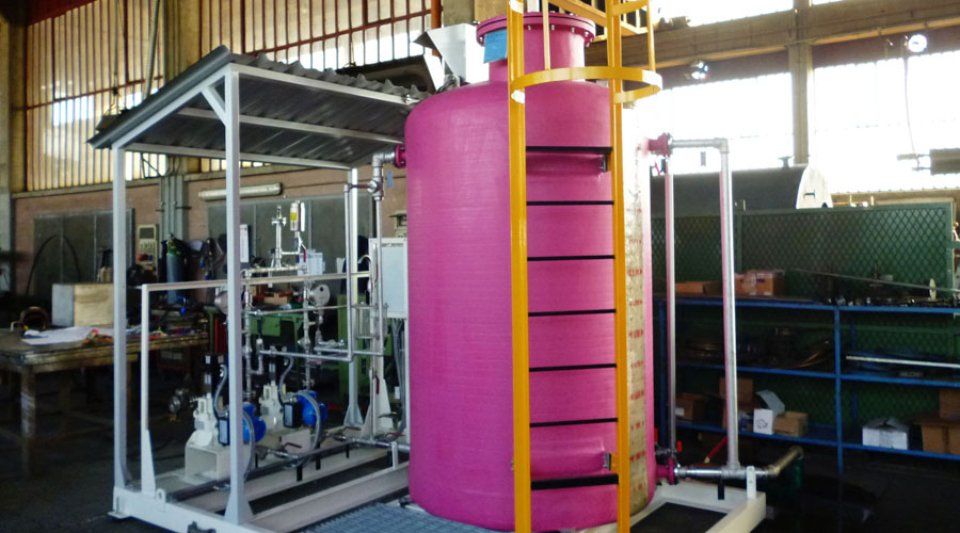
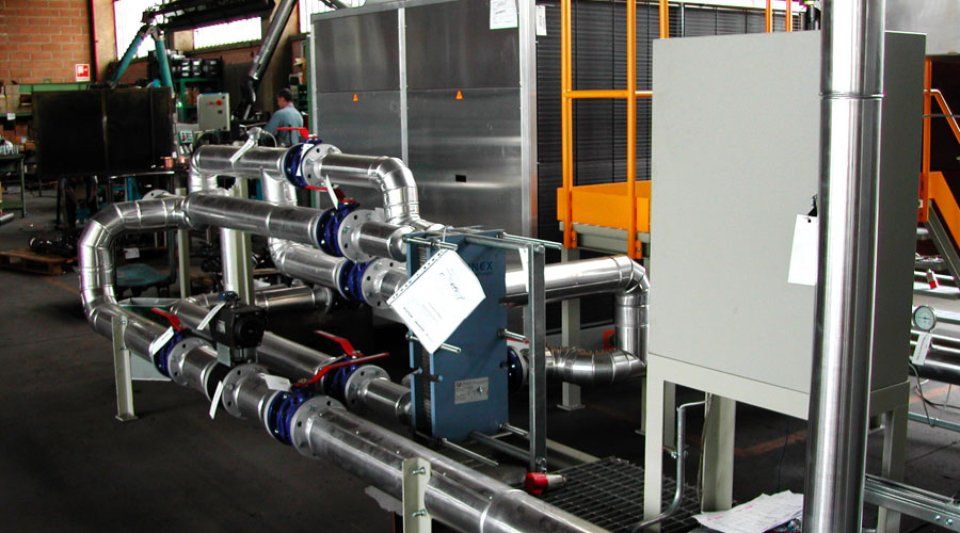
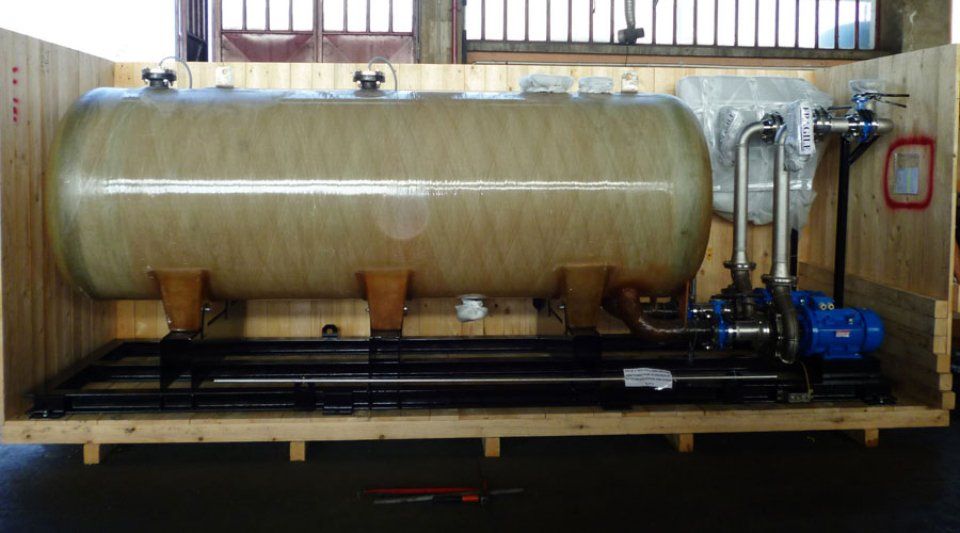
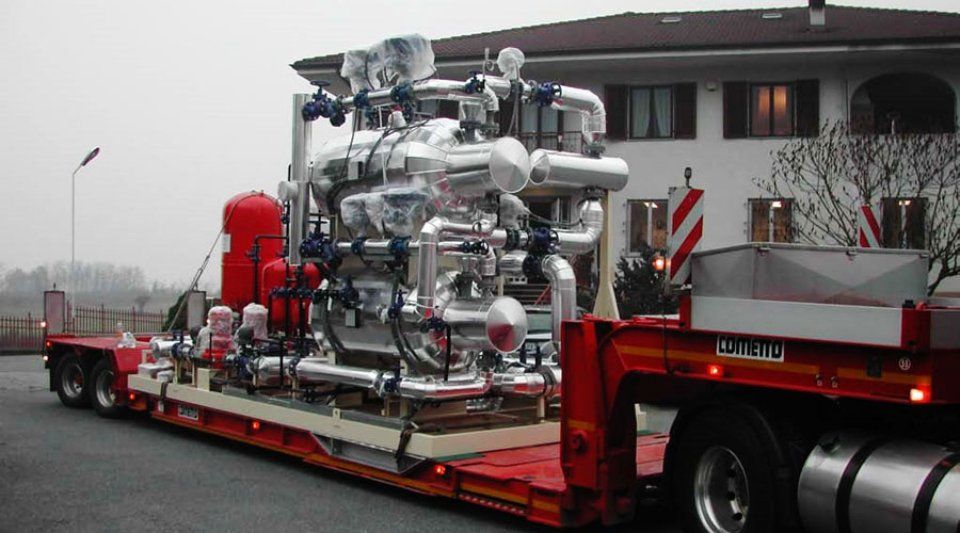
To address the chemical and physical changes that occur within the closed circuits of industrial plants (boilers, furnaces, etc.), chemical additive dosing systems are required. These systems consist of a series of components—tanks, injection and transfer pumps, agitators, valves, level indicators, etc.—which, managed according to a logic dictated by the client or developed by us, inject substances such as ammonia, hydrazine, phosphate, etc. in the quantities and manner specified. Water purification systems are also built at the same time, featuring similar components to those listed above. These, with the aid of special filters, purify the incoming water according to specifications. Industrial chemical processes can be represented in various ways, such as a simple process diagram (which shows the equipment and main material flows) or a Piping & Instrumentation Diagram (which highlights all the equipment and control instruments). A process flow diagram (PFD or flowsheet) is a diagram commonly used in chemical and process engineering to illustrate the overall layout of a plant's processes and equipment. In this sense, the process diagram is the first step in plant design, followed by the energy and mass balance, and then the mechanical diagram. The PFD illustrates the relationships between the main equipment (or units) in which the chemical process occurs, without taking into account many details, such as the detailed piping structure and many auxiliary equipment. The purpose of the PFD is therefore to provide an overview of the process occurring in a plant or section thereof, without claiming to be exhaustive.
Typically a Process Flow Diagram for a single chemical process may contain:
- main piping lines;
- main equipment;
- control valves and other main valves;
- connection lines with other systems;
- main bypass and recirculation lines;
- identification of currents and data useful for their characterization (temperature, pressure, flow rate, density, etc.);
- pipe line numbering;
- control instrumentation (e.g. sensors and actuators);
- secondary bypass lines;
- shutoff valves;
- drain valves and drain lines;
- safety valves and check valves;
- flange.
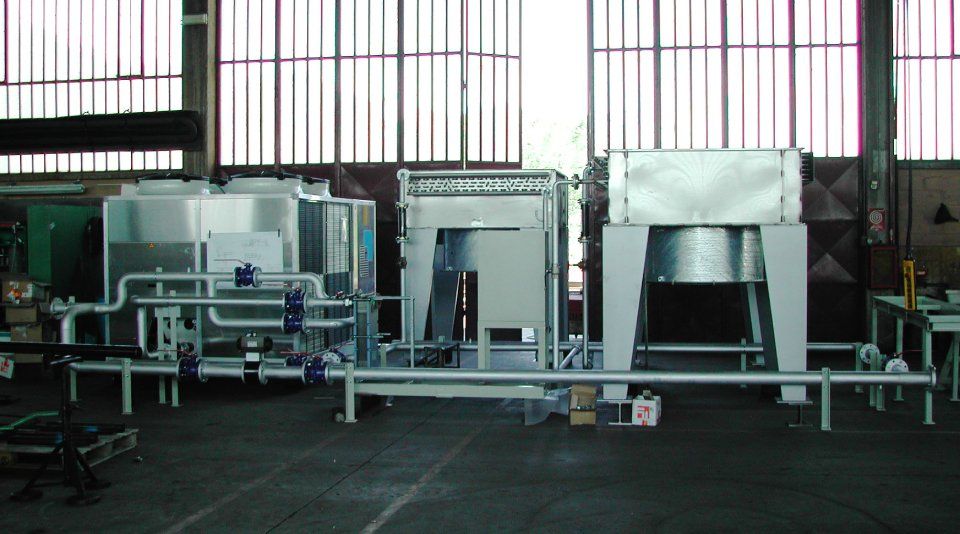
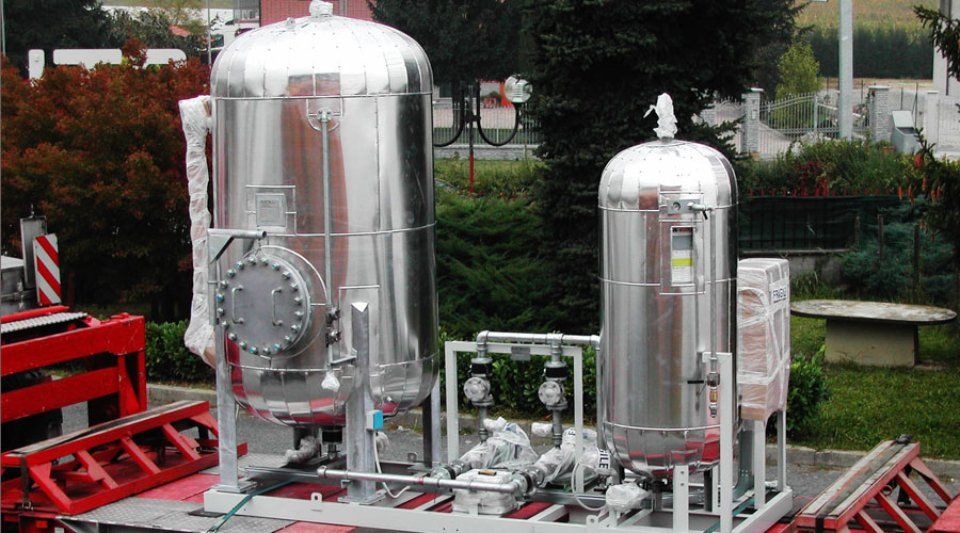
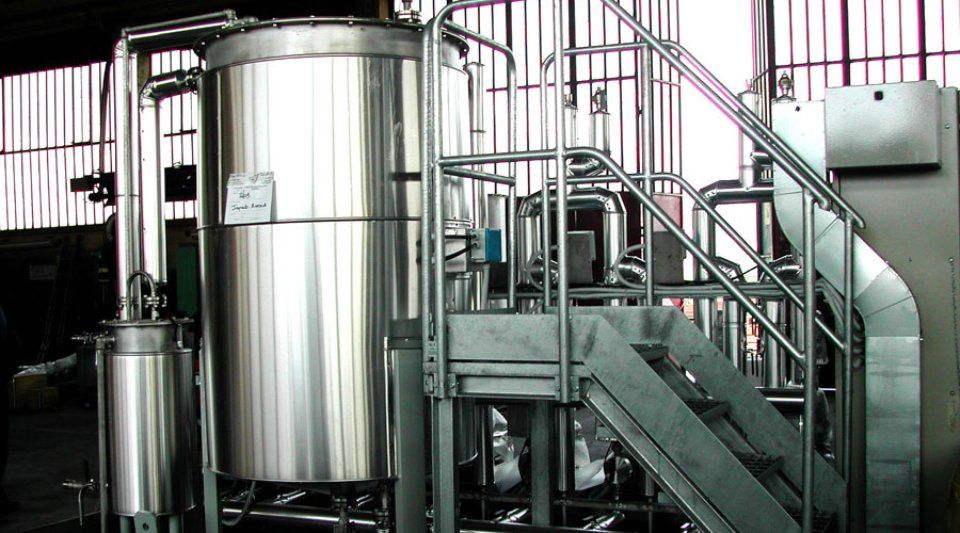
Below are some of the most common types of systems we create.
- chemical dosing systems;
- demineralization plants - Demi;
- water treatment plant;
- water treatment plant;
- air extraction system;
- fuel boosting and heating system.
For information on our products